

If you think the more motivation you have, the better, be careful what you wish for.
I’ve watched brilliant entrepreneurs destroy million-dollar companies because they couldn’t handle their own drive. The most driven people I know didn’t fail from laziness. They failed from too much drive. While amateurs chase motivation, top performers master something else entirely.
Over the next few minutes, you’ll learn the counterintuitive science of how to harness extreme motivation without letting it destroy you.
I. MY SPENDING SPREE
A few years ago, in my mid-twenties, I was riding high on momentum.
Alarm goes off at 5 AM, my eyes snapped open, mind already racing. I stumbled downstairs, poured my first cup of coffee, and cracked open my laptop, ideas bursting out of my brain that I had to write down.
By sunrise, I was two coffees deep, firing off messages to my team with a kind of frenzied certainty. New product launches, team expansions, partnerships. I felt like I was winning at blistering speed — sprinting from one thing to the next.
I could feel my system was in overdrive. I convinced myself I was unstoppable.
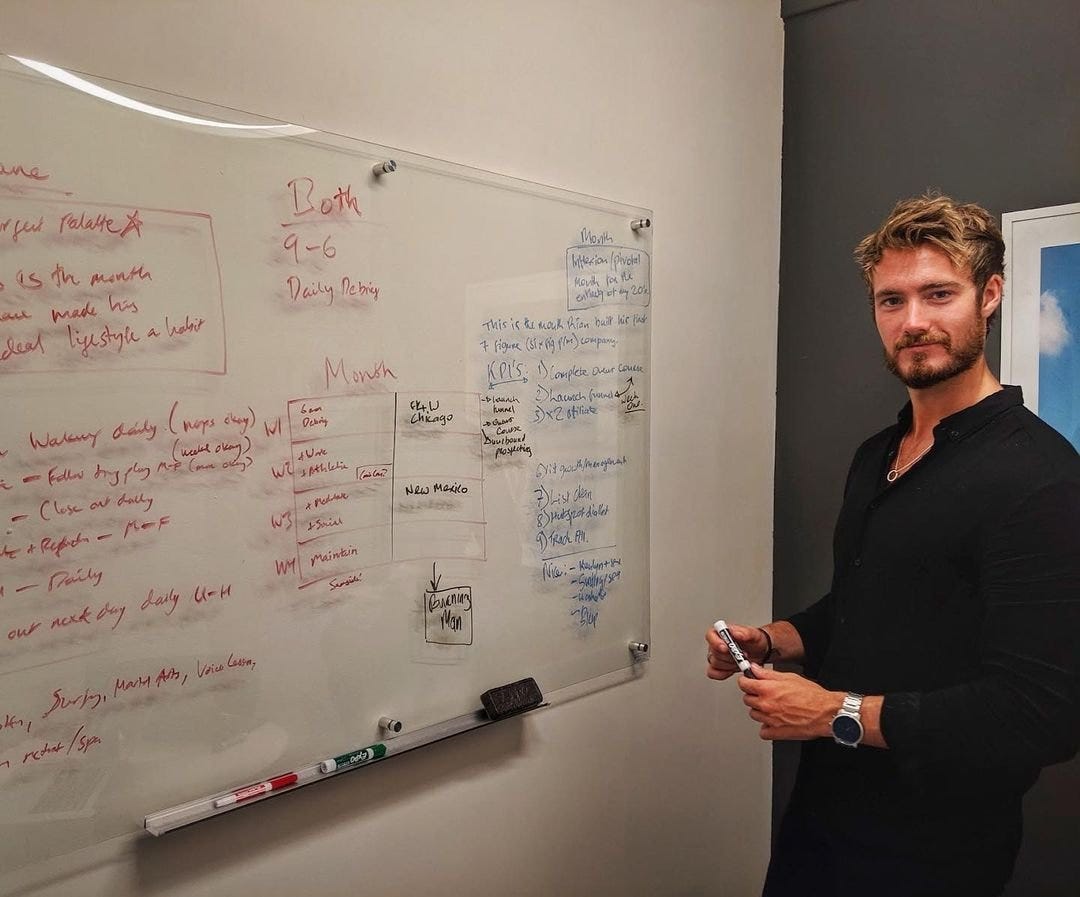
Then it started to become too much. Recklessness followed.
In a matter of weeks, I acquired a company on impulse. No real plan, just raw excitement and extreme conviction in myself.
I enrolled in a PhD program because it felt like the next power move.
Dropped six figures on a domain name that “made sense” in the moment.
I converted my spare room into a $60K podcast studio.
Hosted 400-person parties in a house that wasn’t zoned for crowds.
I launched a year-long mastermind program.
Hired AI engineers after binge-reading a few articles on machine learning.
I even installed a $40K hyperbaric oxygen chamber in my home office because... well, why not?
The tipping point came when I convinced my team we should split the company into two separate operations. Bad move.
And then the cracks started showing.
People started quitting. Deadlines were missed. Results declined. Brilliant ideas started turning into expensive misfires everywhere I looked.
What felt like increasingly unstoppable momentum was actually the early signs of spiraling toward collapse.
II. THE PARADOX OF DRIVE
Here’s the paradox: the force pushing you to new heights can send you crashing down. Hard. If mismanaged.
At a certain point, the dopamine from high-volume achievement becomes dangerous, like driving a turbo car before learning to steer.
Building momentum is tough. But once you’re rolling, with flow state on tap and wins piling up, confidence soars and goals multiply. Usually, this is good.
But as Steven Kotler, my co-founder at Flow Research Collective, put it:
“Flow makes you feel invincible, right up to the moment you’re not.”
The rush from the seemingly perfect decisions made in flow becomes your enemy. Like Icarus, you fly higher, blind to your melting wings.
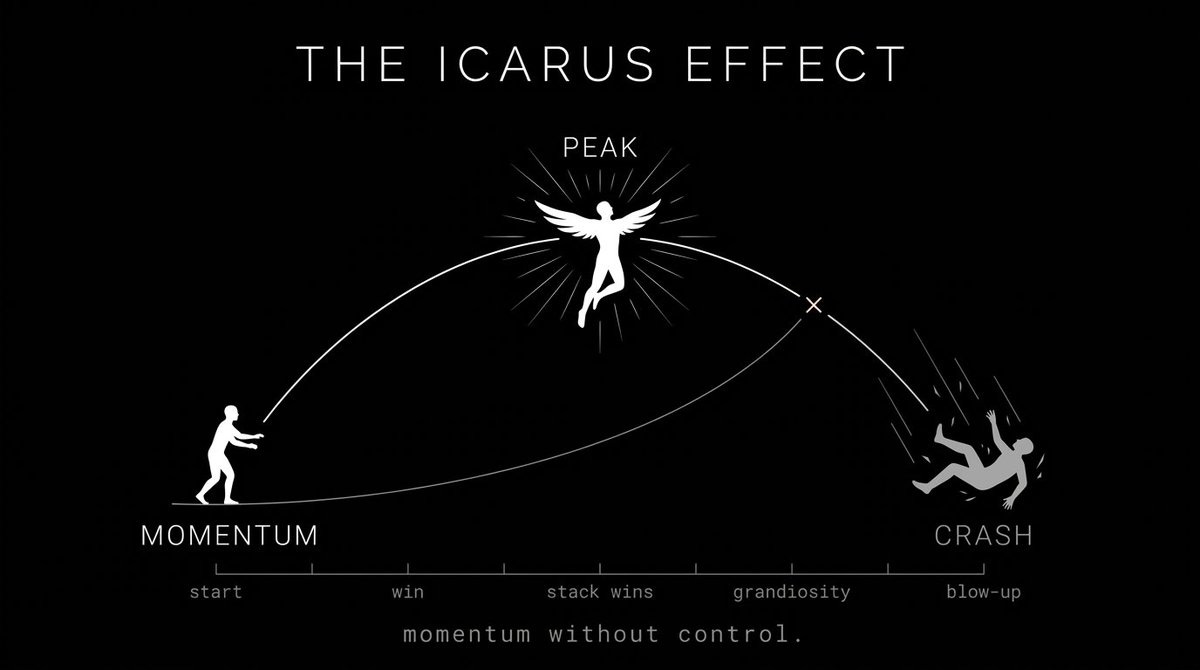
I know. I lived it. And it’s something that happens when you reach a certain extreme level of performance.
The question is: what is this force underpinning peak performance that determines if you’ll succeed wildly or burn up badly? What drives the Icarus Effect?
III. THE SYNDROME NOBODY TALKS ABOUT
There’s a syndrome that plagues amateurs.
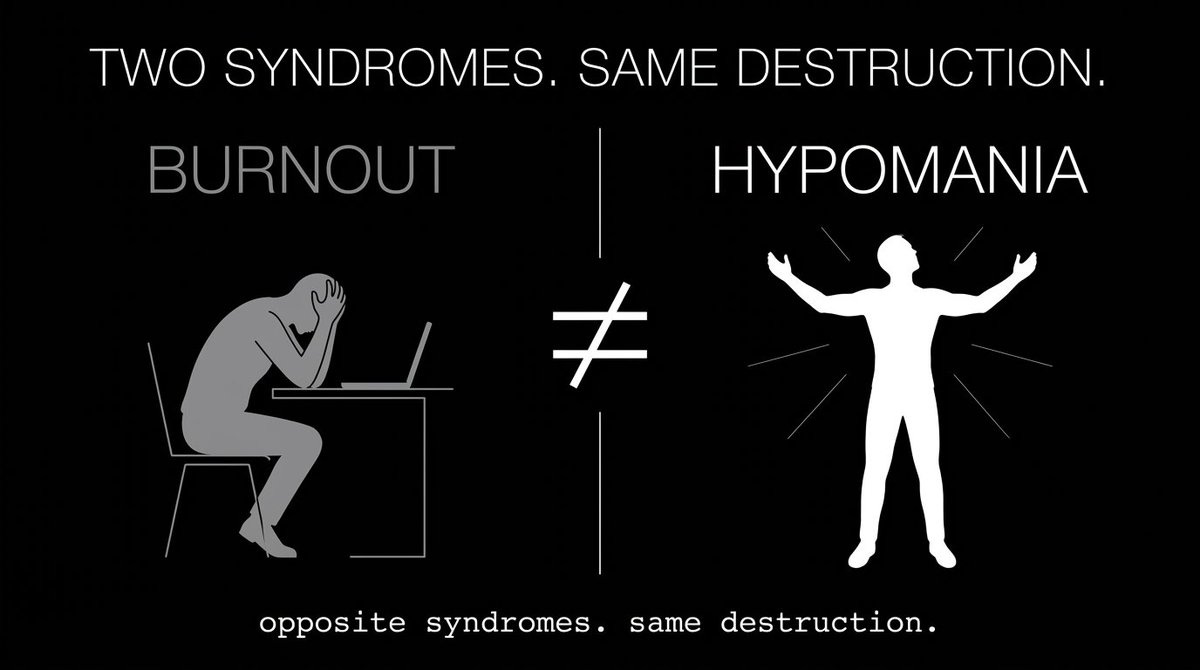
It’s when motivation devolves into cynicism, self-confidence dies, and energy evaporates. It’s called burnout.
But there exists a less spoken of, yet equally formidable cousin of this syndrome.
If burnout is the slow extinguishing of your flame, imagine now its opposite: not a dimming, but an inferno raging out of control.
Here, cynicism is replaced with a kind of optimism so intense it borders on delusion. Self-efficacy doesn’t just grow but balloons into grandiosity. And rather than emotional exhaustion, you experience indefatigable, wild-horse-level, erratic energy.

Rather than burning out, think of this as burning up.

This syndrome is experienced not by amateurs but by those pushing the very limits of human potential. It’s underpinned by a DSM-5 validated psychological condition. And paradoxically, this condition is one of the dark sides of flow.
This condition is known as HYPOMANIA.
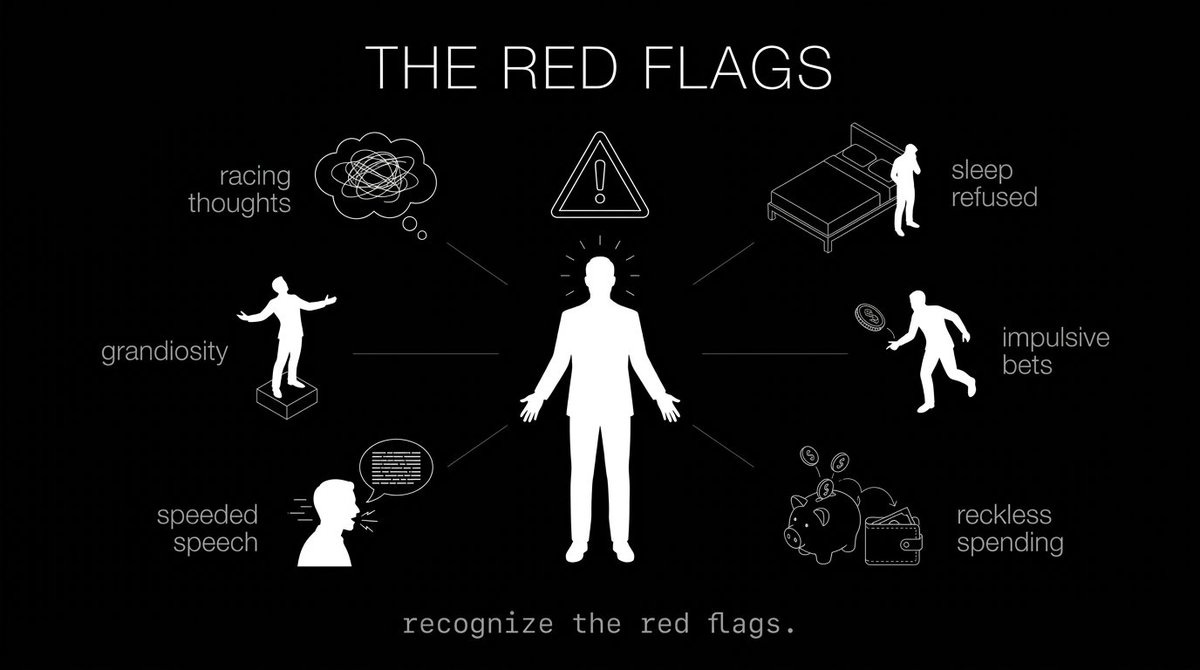
Characterized by a racing mood, decreased need for sleep, an insatiable appetite for work and risk-taking, and a remarkable capacity for creative thought.
Unlike its more severe counterpart, mania, hypomania doesn’t tip its bearers into the realms of delusion or incapacitation.
Instead, it endows them with a razor-sharp focus and an almost superhuman ability to execute. Ambition without brakes.
The History of Hypomania
Hypomania was first explored in the late 19th century.
Psychiatrists noticed a pattern: some patients exhibited elevated mood, energy, and productivity that fell between normalcy and full-blown mania.
These patients, while showing manic symptoms, remained functional and often excelled. The term “hypomania,” meaning “less than mania,” was coined to describe this condition.
The hypomania-achievement link was further explored in the 1970s when psychologist Arnold Ludwig found that hypomanic traits were overrepresented among eminent figures in politics, arts, and other fields.
The idea of hypomania as a success catalyst gained traction with John Gartner’s 2005 book The Hypomanic Edge. Gartner argued that hypomania shaped America’s entrepreneurial spirit. His theory went deeper than mindset — it suggested a genetic filter.
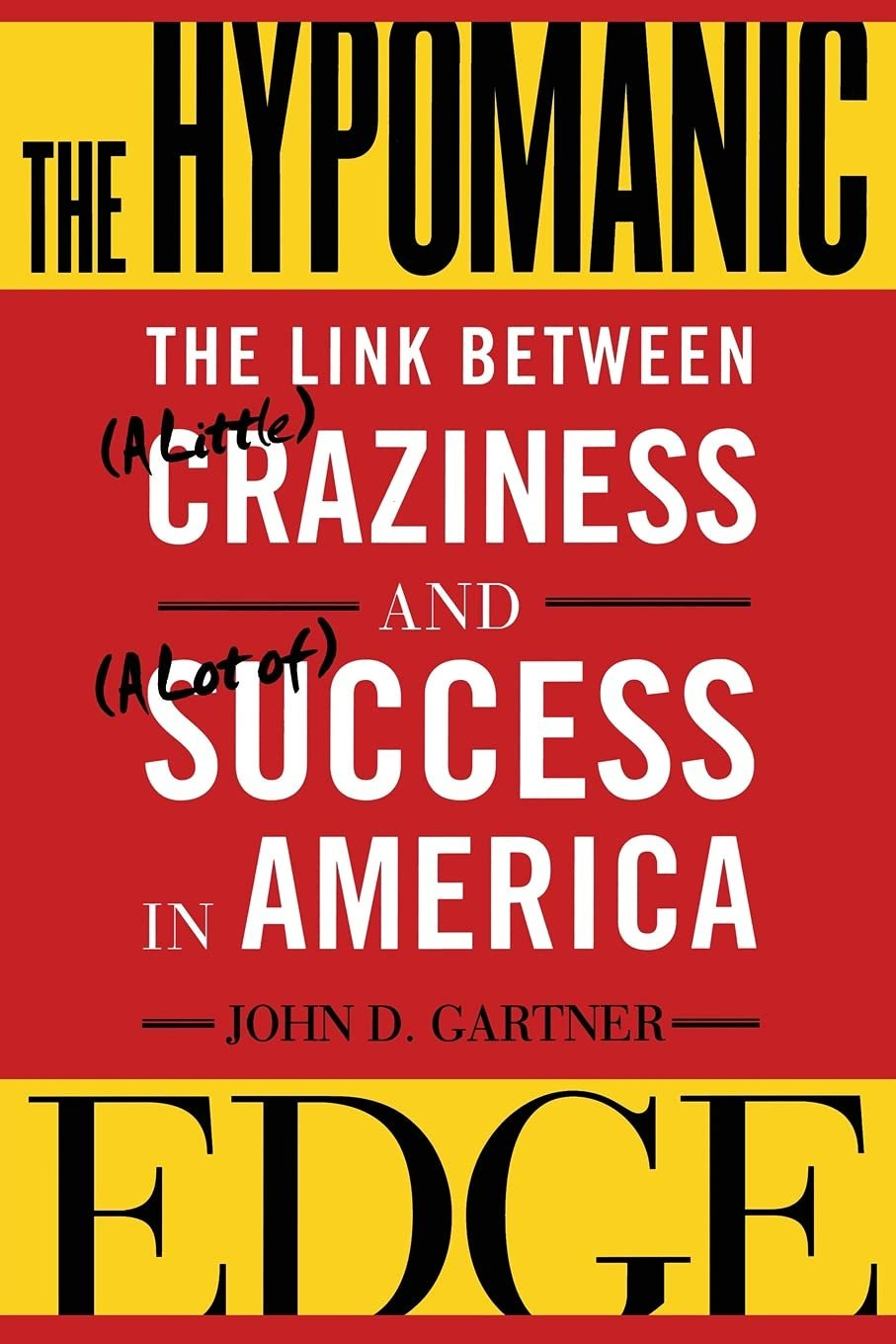
Who leaves everything behind to sail across an ocean toward complete uncertainty? According to Gartner: people with hypomanic traits.
The audacity required to make that leap selected for individuals with higher genetic predispositions to mania.
The proposed mechanism: the DRD4-7R gene variant — a “long” version of the dopamine D4 receptor gene associated with novelty-seeking, risk tolerance, and impulsivity. This variant shows significantly higher prevalence in populations with migration histories, particularly in the Americas. The hypothesis is that migration itself acted as a filter, concentrating these alleles in populations willing to take existential risks.
Over generations, this self-selected population passed down those traits, creating a culture neurochemically wired for innovation, bold action, and relentless forward motion.
The Neuroscience of Hypomania
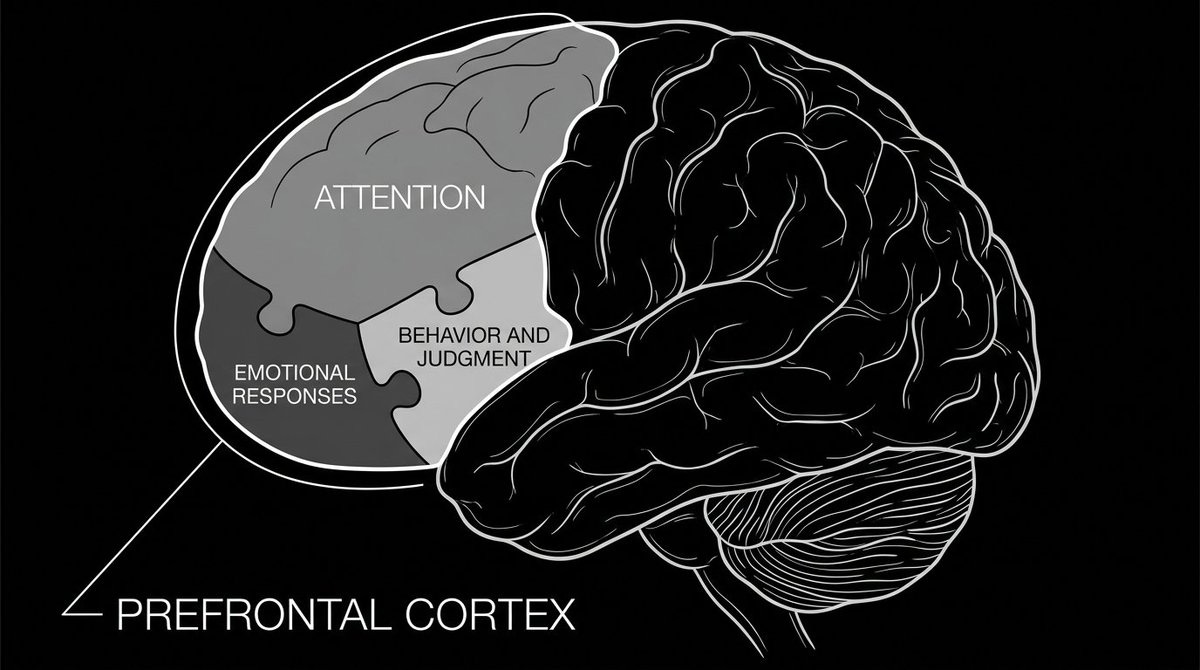
Neuroimaging studies have found that hypomania involves hyperactivity in the prefrontal cortex (the brain’s decision-making hub), increased reactivity in the amygdala (which regulates emotion), and altered functioning in the hippocampus (which affects memory and learning).
On a neurotransmitter level, hypomania is marked by heightened dopamine activity (fueling motivation and reward-seeking behavior), increased norepinephrine levels (driving energy and alertness), and dysregulated serotonin (affecting mood stability). This biochemical cocktail is what gives hypomania its intoxicating blend of energy, confidence, and creativity.
But hypomania has its downsides. The hypomanic edge can tip into impulsivity, irritability, and reality distortion.
Grandiose visions can become reckless risks, causing you to fly too close to the sun and burn up. What fuels your rise can also burn you to the ground. Like it did when I was burning up, starting multiple businesses, a PhD, and making wild investments on hypomanic impulse.
Unaddressed burnout leaves you with no gas to drive. Unchecked hypomania will crash the car.
Amateurs need to learn how to accelerate. High-performers need to learn how to decelerate and sustain optimal speed.
IV. HYPOMANIA IN THE WILD
Now, you might be thinking, “Hypomania doesn’t apply to me.”
But I’m sure you’ve seen it before. Let me show you what hypomania looks like in the wild. Because once you know the signs, you’ll spot it everywhere — likely even in yourself.
The Urgent Call
I was once at my parents’ house in Dublin when my phone lit up.
James’s message burned across the screen:
“IT’S URGENT. CALL ME.”
I pushed back from the table, muttered an apology, and stepped onto the back patio.
James picked up on the first ring. His words tumbled out at double speed. “I can see it. We’re going to start a business that transforms the education space. You’ll bring the IP, I’ll bring the experience, and we’ll hire an operator to handle the logistics. Done deal.”
He’d already registered domain names and drafted partnership agreements.
You’ve probably seen it too. Maybe it was someone cornering you at a networking event, talking at you rather than to you. Their eyes wide, words spilling out faster than thoughts, more interested in hearing themselves speak than having a conversation.
Or like my other friend, who, in the grip of hypomania, became convinced that modern marketing was morally corrupt and tanked his businesses, causing his team to lose their jobs. Amidst this, he once said to me:
“Socrates, Plato, and Jesus Christ would never market or sell like this. So why should I?”
He torched his seven-figure business based on a philosophical revelation that had struck him between his fourth and fifth espresso.
These are the red flags of hypomania. And if you’re on the path to peak performance, you need to learn how to recognize them in yourself before they take over.
V. THE FLOW-HYPOMANIA CONNECTION
As you gain momentum, start winning more, and stack achievements, you run the risk of experiencing hypomania. Your motivation will amplify. Your ability to move fast, execute, and create will feel unstoppable.
This isn’t a rare glitch, but rather a default challenge on the path to high performance. If you don’t learn how to navigate it, it’s not a question of if it will sabotage you, but when.
The same neurochemical processes fueling hypomania also fuel flow.
Flow states are characterized by a balance of neurotransmitters such as dopamine, which enhances focus and motivation. However, an excess of dopamine, which can occur during prolonged periods of flow without proper regulation, may contribute to hypomanic behavior.
Research shows that dopamine excess distorts risk perception, inflates confidence beyond reason, and disrupts executive control in the prefrontal cortex. All hallmarks of hypomanic decision-making.
This is flow’s dark side. The price for euphoric productivity highs.
As you ride the high of flow, reveling in unmatched focus and creativity, hypomania awaits if you’re not careful.
So, as you push your performance to new heights, to sustain your progress without burning up, you need tools to recognize and manage it before it derails what you’ve built.
(Important note: this isn’t a medical diagnosis. If you’re experiencing extreme mood fluctuations or symptoms that disrupt your life, seek professional guidance.)
So how do we harness flow’s power without tilting into hypomania and burning up?
VI. STOP, DROP, AND ROLL
If you’re in or on the brink of a hypomanic state, there’s a simple solution. It’s something you may have learned in elementary school:
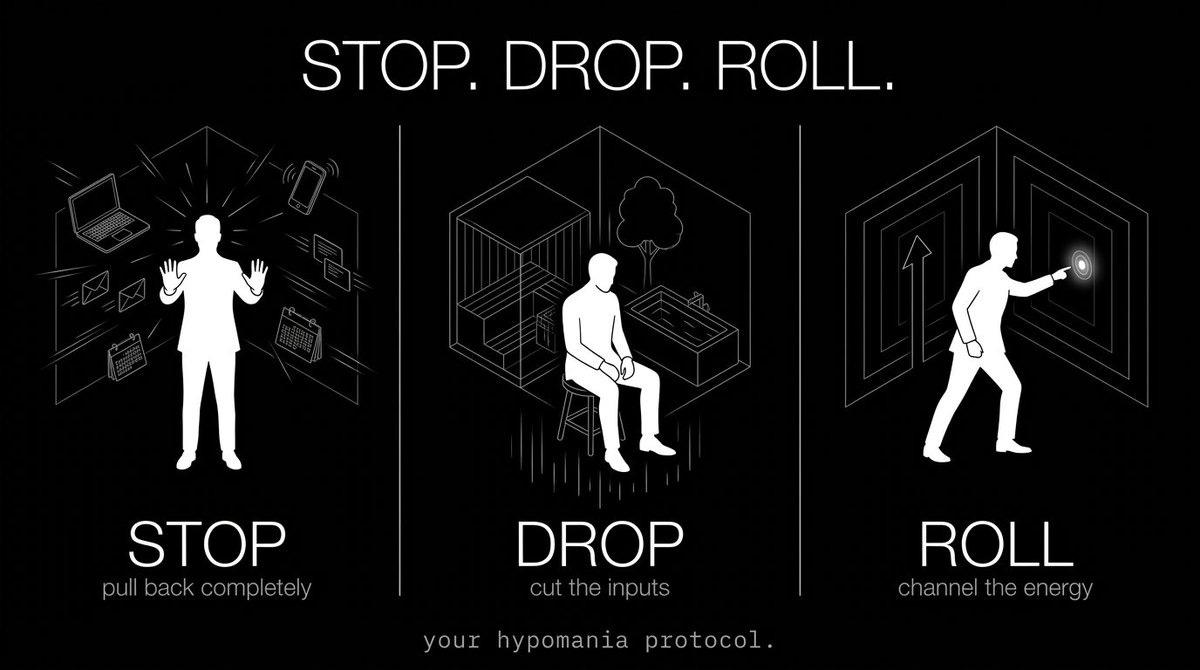
Stop, drop, and roll.
Just like the fire safety technique we learn as children, this plan is designed to minimize damage when the flames of hypomania start to rage out of control.
STEP 1: STOP
The first step is to stop.
When I was in a hypomanic state, I was like a rocket ship hurtling through space, fueled by pure ambition and drive, but with no real direction or control.
That’s when my friend Liam called. He’d been watching from the sidelines, seeing what I couldn’t see. “Rian,” he said, his voice gentle but firm, “you need to take a week off. Now.”
A week off felt impossible. Even irresponsible with all this momentum. But Liam insisted: “You’re burning up. Without a break, you’ll crash and burn.”
So I did something unprecedented. I took an emergency week off. Texted everyone. Dropped work completely.
When my business partner reached out the next day, my body told me everything I needed to know. I felt physically ill, almost tweaking out after all that stimulation.
That week became my lifeline. My brother and I hiked through Malibu, letting nature’s quiet soothe my frayed nerves. Daily saunas. Ice baths. No caffeine, no stimulants, nothing artificial revving up an already overcharged system.
What I was doing was counteracting the effects of hypomania by increasing interoception and embodiment, which some call being “grounded.” As this happened, the cognitive activity quieted down, and awareness shifted throughout the rest of the nervous system, diffusing the excess hypomanic energy.
After seven days, the erratic energy and flighty thoughts faded, replaced by a clarity I hadn’t felt in months.

Think of hypomanic energy like a high-performance sports car. The difference between an amateur and a professional? The amateur pushes the pedal to the floor until they spin out. The professional knows exactly how far they can push it, keeping control while maintaining maximum speed.
Stop, drop, and roll is your brake so you can maintain control.
STEP 2: DROP
So here’s how to drop:
Ditch the stimulants. Caffeine, energy drinks, anything that artificially revs you up needs to go. Your system is already in overdrive.
Dial down the stimulation. Step away from screens, notifications, and anything that ramps up your senses.
Hit pause on work. Yes, even if you’re crushing it. When hypomania fuels success, it’s tempting to run with it, but that’s the path to burning up.
Activate your parasympathetic nervous system. This is your body’s “rest and digest” mode. Sauna, cold plunge, and massage are all powerful tools to kickstart relaxation.
Move your body. Think of it as tiring out an overexcited puppy. Steady-state cardio and a mix of low and high-intensity workouts will help release that pent-up energy healthily. Fatigue your system so you can sleep more.
Get into nature. Expose yourself to nature to make yourself feel smaller and remind you of what matters. Even better is to do this with loved ones, like I did with my brother.
Spend time with loved ones. Hypomania can lead to delusions of invincibility.
But loved ones, the ones who see our flaws and our baseline, crack that facade. Your intimate other knows your baseline so intimately that you can only veer so far off it. Loved ones ground inflated egos.
Drop the long-term decisions. This includes hitting pause on strategic business decisions.
Hypomania can make every idea feel like a matter of life and death. This is dopamine flooding your salience network — the system that tags what matters — while norepinephrine keeps you locked in “act now” mode. Without sufficient prefrontal regulation to provide perspective, the brain loses its ability to distinguish genuine priorities from noise.
In reality, most decisions can wait.
Think of hypomania as a fire raging inside your mind. Just as you wouldn’t make major life decisions while your house is burning down, you shouldn’t make long-term plans when your brain is on fire with hypomanic energy.
STEP 3: ROLL
That brings us to the last step — roll.
And that is to roll with the hypomania.
Hypomania, when harnessed and directed, can be a lethal competitive advantage. Some of the most impressive feats of human achievement have been fueled by a touch of hypomania.
Many of my best windows of peak performance have happened on the edge of a hypomanic state. But it’s this state, plus sustained singular focus, that burns through all obstacles, instead of burning up or burning out.
The way to roll with and harness that hypomanic energy is to build what I call a Reality Reinforcement Field.
VII. THE REALITY REINFORCEMENT FIELD
When you’re in a hypomanic state, your conviction and enthusiasm can be so intense that it creates a reality distortion field. You might be convinced (and able to convince others) to make major, life-altering decisions. You become so persuasive that even your most trusted advisors can get swept up in your grandiose plans, reinforcing your distorted thinking without realizing it.
And this is dangerous. Because the very people you need who can pull you out of your reality distortion field become persuaded, in all your enthusiasm, into your reality.
Steve Jobs was famous for this. His reality distortion field could drive Apple to greatness, but it could also backfire.

Consider the Apple Lisa. He envisioned a revolutionary computer years ahead of its time — a sleek interface, advanced software. But the technology wasn’t ready, and his relentless demands pushed the team to the breaking point. The Lisa’s $10,000 price tag (closer to $30K today) made it a luxury few could afford, and the machine itself was slow and unreliable. Sales were terrible. This failure damaged relationships within Apple and led to Jobs being removed from the project.
While a reality distortion field bends reality to match your vision, a Reality Reinforcement Field helps you see reality more clearly. Instead of amplifying your grandiose visions, it grounds them in what’s genuinely achievable.
A Reality Reinforcement Field is a system of checks that keeps your ambitions tethered to your actual capabilities. It works by catching and correcting the cognitive distortions — inflated confidence, distorted urgency, blind spots — that pull your self-perception away from reality.
It’s the difference between being the captain who steers straight into the storm because they believe they can conquer it, and the captain who respects the weather enough to plot a course around it.
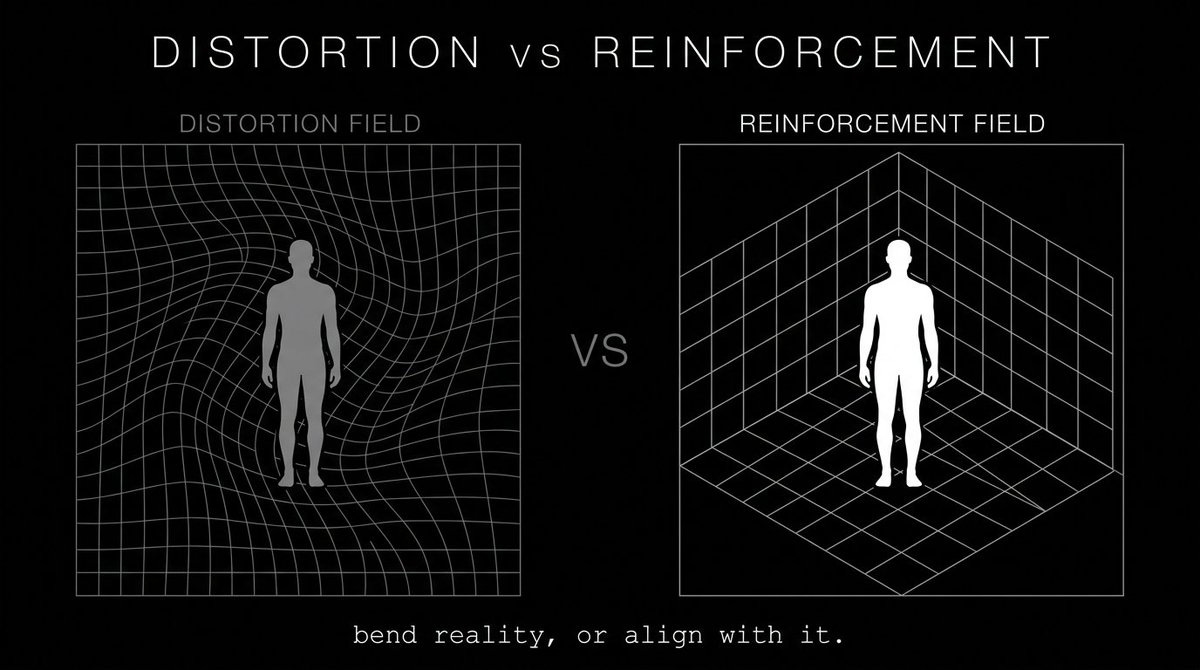
THREE STEPS TO BUILD YOUR REALITY REINFORCEMENT FIELD:
Step 1: Feed One Fire, Starve the Rest
Don’t let the hypomanic energy spill over into new projects or tangential ideas. Instead of burning up, use it to burn through obstacles, to power through resistance, to achieve things that might seem impossible in a more “normal” state of mind.
The key to pulling this off is to compress the hypomania into increasingly focused concentric circles instead of letting it spiral outward into chaos.
Your neurobiological impulse will push you toward dispersion — widening your focus, adding complexity, stacking projects that pull you further from your main thing. But the highest performers do the opposite.
They take all that energy and drive it deeper, not wider.
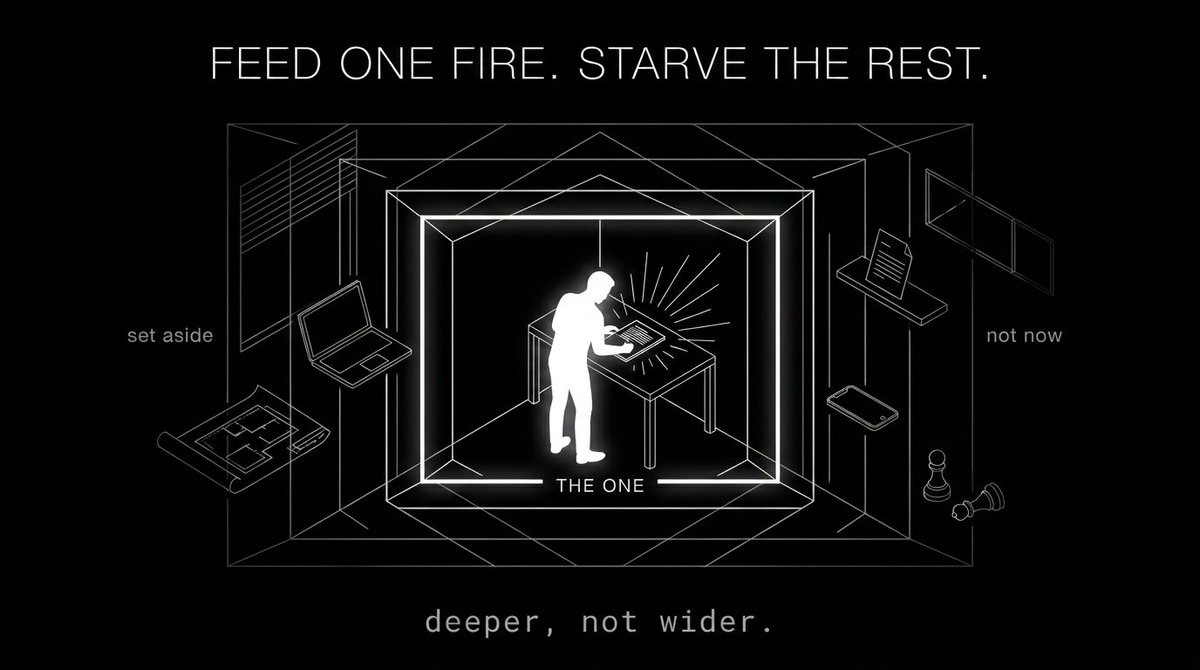
Think about it like this:
Instead of, “I’m going to launch three different offers,” you say, “I’m going to refine my main offer until it dominates.”
Instead of, “I’ll split my time between two businesses,” you say, “I will make this one business so valuable that expansion is inevitable.”
Instead of, “I’m going to explore five different strategies,” you say, “I will execute this one strategy relentlessly, squeezing every drop of value from it before moving on.”
Each layer of focus becomes a tighter, more powerful iteration of the last, compounding energy instead of diffusing it.
When you channel that hypomanic fire into your main mission with increasingly narrower circles of execution, that’s when you achieve the kind of explosive, sustained success that most people only dream of.
This is how you burn through rather than burn up.
Step 2: Use Data to Puncture Delusions
For me, this involved pausing my PhD completely, letting go of side ventures I had started, and directing all my energy into getting my core professional pursuit in a thriving place.
My specific, number-bound goal was to hit 30% year-over-year growth for my business with only one hour of my time per week. If I’d made that my only priority, I would have hit it easily and could then, from a place of success, move on to the next thing.
So I started tracking my progress objectively, using hard data to keep me on track. By what percentage were my company’s profits growing? Before taking on a new project, did I have a team member ready to fully own my current responsibilities?
The key is to dial up objectivity to an even higher degree than normal to counteract the power of the overly persuasive subjectivity that dominates in hypomania.
Numbers puncture delusions.
Whenever I felt myself getting carried away with grand visions, I’d look at the numbers. If they didn’t support my fantasies, I knew it was time to reel myself back in.
The fundamental rule here is to set milestones and assess them objectively to earn the right to disperse your energy. Prove to yourself, through consistent results, that you’re ready for the next challenge. Until then, stay focused on your main thing.
Step 3: Write It Down, Move It Aside
When a new idea strikes, have an impulsivity outlet.
Write the idea down. Whether it’s a business idea, project, book, whatever it is, scope it out. Do the prep work, map out the requirements, but don’t start building yet. Scratch the dopamine itch, then throw it to the side. You can always pick it back up later.
You’re allowing yourself to explore new ideas without getting derailed from your main mission. You’re investing the lowest possible cost (in terms of time, attention, energy, and money) relative to the dopamine hit of the new idea.
And here’s the beauty of it: often, once you’ve scoped out a new idea and let it simmer, you’ll find that it loses its luster. By not acting on it immediately, you’ve saved yourself from a potentially costly distraction.
But if, when you hit your milestone, you’re still excited about the idea, then you know it’s worth pursuing.
The Complete System
So that’s how you stop, drop, and roll.
Looking back, I can see how much energy I wasted on dispersed efforts during that hypomanic period. If I had channeled that energy into my core pursuit, into the projects and relationships that truly mattered, I can only imagine where I’d be today.
But here’s the catch: as you do this, you can’t let that hypomanic fire rage unchecked. If you start heating up too much again, you need to have the self-awareness and tools to stop and drop, so you can cool down and not blow up your Reality Reinforcement Field.
VIII. THE HIDDEN TRAP
A final cautionary note: when hypomania is not properly channeled through the above mechanisms, it tends to look more like fierce procrastination and frenzy than real progress.
You get an exciting insight. That triggers a hit of dopamine. But then something dangerous happens. You immediately get a second insight about why your first insight is brilliant. Another dopamine hit. Suddenly, you realize how this idea solves ten other problems. Even more dopamine. Each thought triggers a cascade of feel-good chemicals that make every next idea feel like genius.
This is why you can spend hours in hypomanic planning sessions, convinced you’re making massive progress, when you’re actually just getting drunk on your own thoughts.
This is the insidious nature of hypomania.
IX. THE REAL MEASURE
As the philosopher Friedrich Nietzsche famously said, “There are no actors, only actions.” This cuts to the heart of one of the most seductive traps of hypomania: the illusion of specialness.
Our worth, our impact, our “specialness” — these things aren’t inherent qualities that we’re born with, or that descend upon us in a moment of hypomanic inspiration. They’re the result of our actions, the sum total of what we do in the world.
There are two key rules to keep in mind when exploring altered states of consciousness, including flow and hypomania.
As my co-founder, Steven Kotler, wrote in his book Stealing Fire: “It’s not about you, and it’s not about now.”
Even in a flow state, you’re still just a human. Don’t let peak experiences inflate your ego, or think everything has to happen right this second.
Never trust the dopamine. Use it, but don’t blindly believe it.
You can use the dopamine, you can ride the high, and you can achieve incredible things with it.
But in order not to get sabotaged by it, stop, drop, and roll when needed.
That’s how you stay at your peak over the long term without the crash.
Honestly, this piece should be called why more motivation leads to failure than why less motivation leads to success.
Hypomania. This is on point to what I experienced starting and running my own business a few years back. Now I am trying to pick up the pieces from everything 'burning down' and me burning out. Trying to recover mentally, emotionally, etc. Thanks for helping clarify what happened. Hoping to get the momentum and desire back and then keep this in mind for the future.